
If you’re a new parent, you already know this: public restrooms can be… an adventure. And not a cute, Instagrammable one. More like a “please don’t touch that—no no no NO” kind of adventure.
From toddlers who treat every button like a toy to babies who need diaper changes at the exact wrong time, hygiene suddenly becomes something you care about deeply.
And in all this chaos, one tiny invention quietly does a lot of heavy lifting: the automatic toilet flusher. You have probably seen them everywhere: airports, malls, restaurants, and train stations.
But have you ever wondered why they’re such a big deal? Or why are public spaces increasingly upgrading to them? Or how they help you stay a little less stressed while dealing with your kid’s sudden bathroom emergencies?
Let’s talk about it!
Table of Contents
ToggleWhat Is an Automatic Toilet Flusher?
We are going to keep it simple!
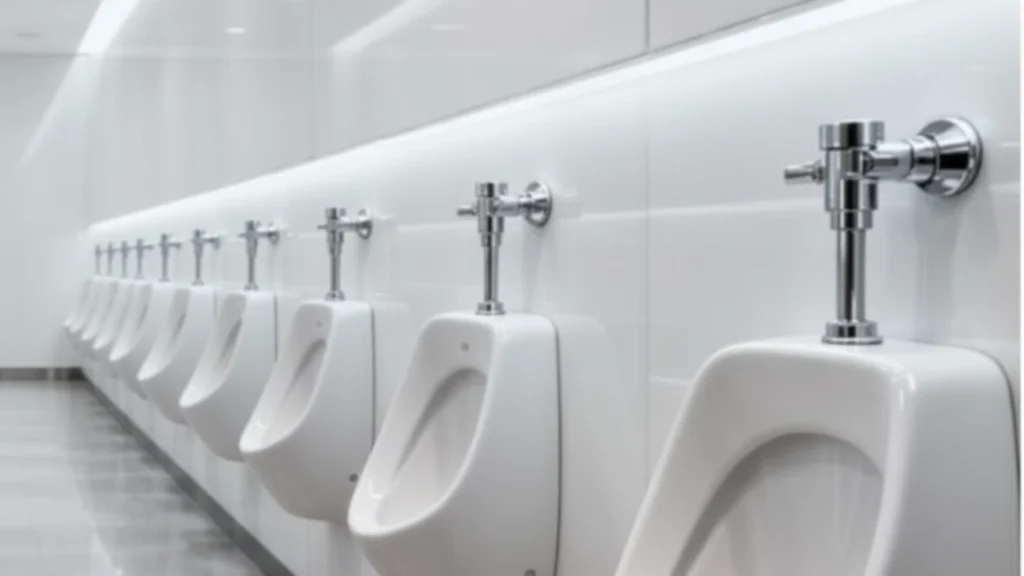
An automatic toilet flusher is basically a sensor-based flushing mechanism that uses infrared detection to identify when a user moves away from the toilet. After a small delay, the toilet flushes on its own.The same logic is what applies to an automatic urinal flusher, which is in the men’s restrooms.
In short, the toilet flushes automatically without having to make any physical contact at all! The reason this little technology upgrade makes such a big deal is that the fewer surfaces people touch, the lower the risk of cross-contamination.
Now, let’s learn more about this!
Why Public Spaces Need Touch-Free Flushing
We all know that public washrooms have lots of people coming in and out. There are literally hundreds of people using the same washroom and facilities. Which means:
- More bacteria
- More germs
- Higher chances of unflushed waste
- More unpleasant odors
- Greater cleaning load on staff
And guess what? A simple move from manual to automatic toilet flush systems can actually solve several of these issues instantly.
1. Reduced Germ Transmission
If there’s one thing nobody wants to touch in a public restroom, it’s the flush handle. Even if you wash your hands afterward, you cannot run away from the truth: everyone before you touched the same thing. When a toilet flushes automatically, you don’t have to deal with any of that. So no touching, no hesitation, and no worrying about who used it before you! Which means with automatic flushing, you cut down the spread of germs, too — helping you learn how to maintain toilet hygiene!
2. Toilets Stay Cleaner More Consistently
One of the quickest ways a public restroom starts feeling “dirty” is when someone forgets to flush. Sometimes it’s accidental, sometimes people avoid touching the handle, and sometimes—they just don’t bother. But when an automatic toilet flusher is there, guess what? Problem solved. Every use ends with a clean bowl, thanks to how the toilet flushes automatically right after it!
3. Better Odor Control
What is the first thing you notice when you enter a public restroom? It’s the smell. Most of the time, bad odors come from infrequent flushing, which is why washroom smell solutions matter. With the help of automatic flushing, the system will clear waste regularly, keep the water fresh, prevent buildup, and flush the urinals at the right intervals.
4. Touch-Free = Higher User Confidence
People these days are much more aware of hygiene. So when a restroom has touch-free taps, soap dispensers, dryers, and an automatic toilet flush, it immediately feels cleaner and safer. This is truly a non-negotiable in places like hospitals, restaurants, offices, schools, and high rest stops, because here, trust is everything.
5. Lower Maintenance and Faster Cleaning
For the cleaning staff, the toughest and most unpleasant job is to deal with unflushed waste. It slows them down, uses more disinfectant, and just makes the process harder overall. However, our automatic toilet flusher understands this and keeps the toilets clean between rounds. This way, your maintenance teams can work faster, maintain hygiene more easily, and reduce deep cleaning sessions.
6. Water Conservation Through Controlled Flushing
A big advantage of automatic systems is how efficiently they use water. When there is a manual flush, people often flush twice for no reason, press the lever halfway, or even use too much water without realizing it. This doesn’t have to be the case anymore! Automatic flushers use only the amount of water needed. So public washrooms can literally save thousands of liters of water each year, by just going automated!
7. Improved Accessibility for Everyone
Let’s be honest, touch-free systems don’t just help with hygiene. No! It actually helps to make everything more accessible for the users, too. For example, if someone has mobility issues, injuries, or disabilities, then reaching for the manual flush might be difficult or painful. So again, a toilet that flushes automatically removes that challenge completely! Sometimes the smallest of changes can make the biggest impact on the lives of people.
8. Better Overall User Behavior
This might come across as a surprise, but people behave better in cleaner and more modern spaces — especially when avoiding common workplace restroom mistakes. When a restroom is automated, fresh-smelling, and well-maintained, people naturally treat it with more care. And as a result, you will notice fewer people misusing the place, literally drops, and will overall respect the place much more.
9. A Smoother, Faster Restroom Experience
We all know that public restrooms get crowded pretty fast. Especially if we talk about places like airports, colleges, or offices. The last thing anyone wants is to figure out where the flush button is or force themselves to touch something they’d rather not. When the toilet flushes automatically, the process becomes simple and faster. It will save people time, hesitation, and keep the flow moving smoothly.
10. Hygiene Beyond the Toilet
Last but not least, did you know that flushing affects more than just the toilet bowl? Well, it actually influences air quality, moisture levels, how bacteria spread, and the cleanliness of flooring and surrounding surfaces.
So without a doubt, consistent flushing will help to keep the whole environment cleaner.
In fact, even people who are just washing their hands or helping their kids benefit from a cleaner restroom atmosphere. If you ask us, that’s the biggest win!
Final Thoughts
Automatic flushing systems may seem like a small upgrade at first, but in reality, they actually make a big difference in how clean and safe public restrooms feel.
When you combine touch-free use, consistent flushing, better odor control, and smarter water usage, it becomes clear why an automatic toilet flusher has become almost essential in modern public spaces.
Whether it’s a toilet that flushes automatically or an automatic urinal flusher, keeping high-traffic areas clean is more than just a convenience. They reduce the cleaning load, keep things fresher between maintenance rounds, and, most importantly, cut down on the kind of contact that spreads germs so easily.
And well, as the cities get busier and public spaces witness more footfall than ever, these little upgrades do matter!
Yes, we don’t think about them often, but an automatic toilet flush is one of those behind-the-scenes improvements that make daily life better.
FAQs: Automatic Toilet Flushers & Public Hygiene
1. How do automatic toilet flushers improve hygiene in public restrooms?
Automatic toilet flushers enhance hygiene by eliminating the need to touch flush handles or buttons. They use infrared sensors to detect user presence and trigger flushing automatically. This touchless operation prevents cross-contamination, reduces bacterial spread, and ensures every flush happens without manual contact, making public restrooms significantly cleaner and safer.
2. What are the main benefits of electronic flush valves in high-traffic areas?
Electronic flush valves provide hands-free operation, minimize germ transmission, conserve water through smart flushing, and ensure consistent cleaning after each use. In high-traffic public spaces like malls, airports, and hospitals, they significantly reduce surface contamination while maintaining optimal hygiene standards and reducing maintenance costs.
3. How does automatic flushing technology work?
Automatic flushers use infrared sensors or motion detectors to identify when a user approaches and leaves the toilet. The sensor sends signals to a solenoid valve that releases water for flushing. Once the user steps away, the sensor triggers the flush mechanism automatically, ensuring touchless operation and consistent hygiene maintenance without human intervention.
4. Do automatic toilet flushers reduce water consumption?
Yes, modern automatic flushers are designed with water-saving technology. They use precise sensors to deliver optimal water volume per flush, preventing wasteful double-flushing or incomplete flushes. Many models feature dual-flush options and smart flow control that adjusts water usage based on need, making them more efficient than traditional manual systems.
5. What are the advantages of sensor-based toilets over manual ones?
Sensor-based toilets eliminate touchpoints, drastically reducing bacterial transmission in public restrooms. They ensure consistent flushing after every use, prevent forgotten flushes, require less maintenance, improve user experience, and promote better sanitation standards. They’re particularly valuable in healthcare facilities, schools, and busy commercial spaces where hygiene is critical
6. How hygienic are public toilets with automatic flush systems?
Public toilets with automatic flush systems are significantly more hygienic than manual ones. By removing the need to touch contaminated surfaces, they eliminate a major disease transmission pathway. Combined with touchless soap dispensers and hand dryers, automatic flushers create a comprehensive hands-free restroom environment that substantially reduces germ exposure.
7. Can automatic flushers help prevent the spread of diseases?
Absolutely. Automatic flushers play a crucial role in infection control by eliminating hand contact with potentially contaminated flush handles. This is especially important in preventing the spread of bacteria like E. coli, norovirus, and other pathogens commonly found in restrooms. They’re essential components of modern hygiene protocols in healthcare and public facilities.
8. What maintenance do automatic toilet flushers require?
Automatic flushers need periodic sensor cleaning to ensure proper detection, battery or power source checks, and occasional valve inspections. Regular maintenance includes testing sensor range, cleaning the lens, checking water pressure, and replacing batteries every 1-2 years. Proper upkeep ensures reliable touchless operation and extends the system’s lifespan while maintaining optimal hygiene standards.
How useful was this post?
Click on a star to rate it!
Average rating 4.5 / 5. Vote count: 1393
No votes so far! Be the first to rate this post.